
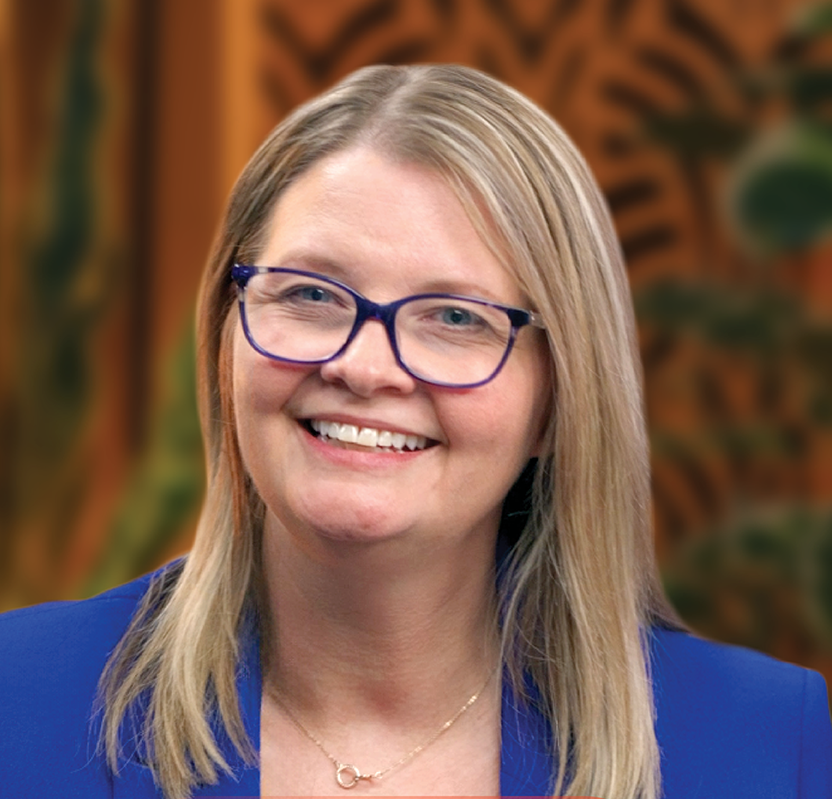
Dr. Kelly Rhone
Chief Medical Officer

Jessica Gaikowski
Executive Director of Marketing and Sales Operations
Key Takeaways
- Avel’s Virtual Health System can help rural hospitals address physician recruitment and retention challenges by giving local clinicians 24/7 access to additional clinical expertise and support.
- Avel’s Virtual Health System can help rural and critical access hospitals strengthen local care by supporting workforce stability, reducing avoidable transfers, and helping patients receive care closer to home.
- Avel’s Virtual Health System can support rural health transformation by helping hospitals address healthcare workforce shortages, expand access to specialty expertise, and build more sustainable care models.
Why Rural Hospitals Are Closing — and How Virtual Care Is Helping Some Survive
More than 150 rural hospitals have closed or stopped offering inpatient care in the last decade, and hundreds more are on the list of facilities considered vulnerable to closing next. For the communities they serve, that’s not an abstract healthcare policy statistic — it’s the difference between a 10-minute drive to the ER and a two-hour one. It’s also becoming one of the clearest examples of what experts call rural healthcare deserts: entire regions where residents have little or no local access to hospital-level care.
The Real Drivers Behind Rural Hospital Closures
Rural and critical access hospitals are being squeezed from every direction: shrinking reimbursement, deep healthcare workforce shortages, aging populations with more complex medical needs, and the simple math of trying to keep specialized services running for a small patient base. A single unfilled physician position can be the difference between a hospital keeping its ER open or shutting its doors for good.
It’s a physician recruitment and retention problem as much as a financial one. Recruiting a doctor to a small town is hard. Keeping them there is harder — especially when that physician is the only one on call, night after night, with no one to turn to when a case gets complicated. This is one of the central drivers of rural healthcare disparities: it’s not that rural patients need different care, it’s that the system struggles to keep enough clinicians in place to deliver it consistently.
A Story That Shows Why This Matters
Dr. Kelly Rhone, an emergency and critical care physician, has seen firsthand what happens when a rural provider finally gets backup. She recalls a small-town meeting where a paramedic pushed back on the idea of virtual physician support, insisting their local doctor “always knows what to do” and didn’t need extra help. The physician stood up and corrected him:
“I am so glad that you think I always know what to do… but sometimes I don’t, and I need to reach out to someone for a second opinion. I can’t go on vacation, I can’t go to my kids’ ball game — this could change my life.”
The room’s perspective shifted instantly. That moment captures the real value telehealth and virtual physician support offer rural facilities — not replacing the local doctor, but making it sustainable for them to stay.
Federal Funding Is Now Backing This Approach
This isn’t just a local fix anymore — it’s become a federal priority. The CMS Rural Health Transformation Program is directing significant new funding toward states and rural facilities, with a clear emphasis on workforce stabilization, telehealth expansion, and care that keeps patients closer to home rather than routing them to distant regional hospitals. States are actively building virtual care partnerships into their rural health transformation funding applications because fragmented, one-off solutions simply can’t deliver the coordinated impact CMS is looking for.
This kind of investment matters because access to rural healthcare isn’t just a hospital issue — it touches emergency response times, maternal health outcomes, chronic disease management, and how quickly a community can respond when something goes seriously wrong.
What Recruitment and Retention Actually Look Like in Practice
Dr. Rhone shared another story that illustrates this well: a traveling physician, working a shift far from her usual community, suddenly faced five incoming burn patients at once — a situation that would tax even a large trauma center. With aircraft being coordinated for transfer and the physician clearly out of her comfort zone in emergency and trauma care, Dr. Rhone stayed with her on camera through the entire marathon session, telling her simply, “I’m not leaving you.”
What Dr. Rhone learned afterward made the moment even more meaningful: that hospital happened to be the physician’s hometown. She ended up signing on permanently and has practiced there for more than a decade — in large part because she knew backup would always be there. That’s not just one retained physician. That’s a rural community that kept its emergency department, its OB coverage, and a piece of its healthcare access intact.
The Bigger Picture
Keeping rural hospitals open isn’t about any single intervention — it’s about giving physicians and clinical staff enough support that staying in a small community is sustainable rather than isolating. Virtual Health Care and telemedicine, backed increasingly by federal funding through programs like Rural Health Transformation, are proving to be some of the most effective tools for addressing the rural hospital closure crisis: stabilizing the workforce, reducing avoidable transfers, and keeping care — and physicians — in the communities that need them most.
Interested in how a Virtual Healthcare System model supports Rural Health Transformation goals? Talk with Avel eCare about aligning your facility’s workforce and funding strategy with what’s actually working.