
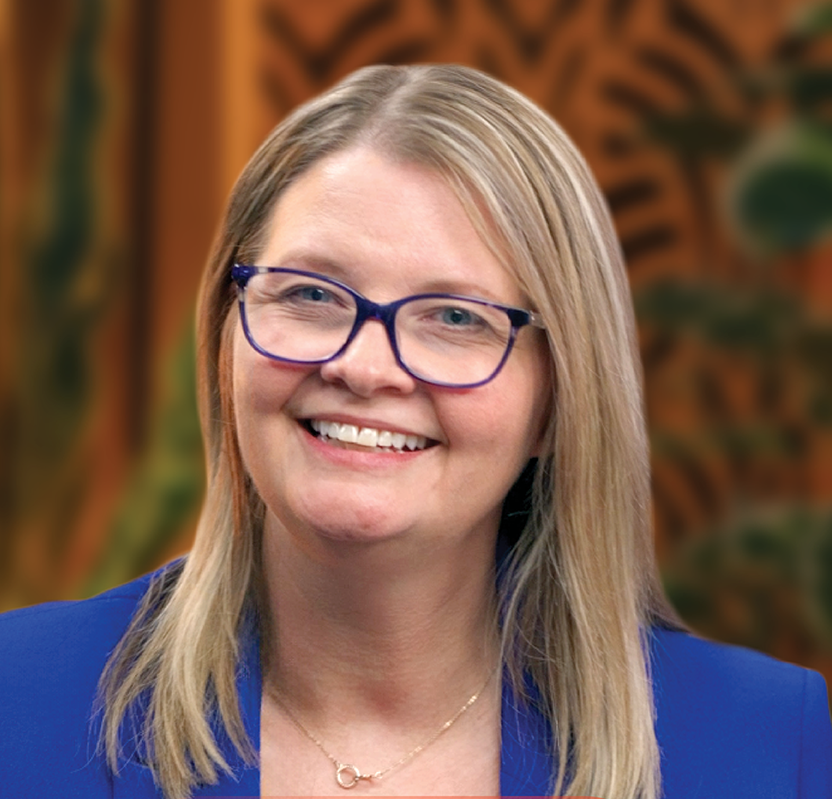
Dr. Kelly Rhone
Chief Medical Officer
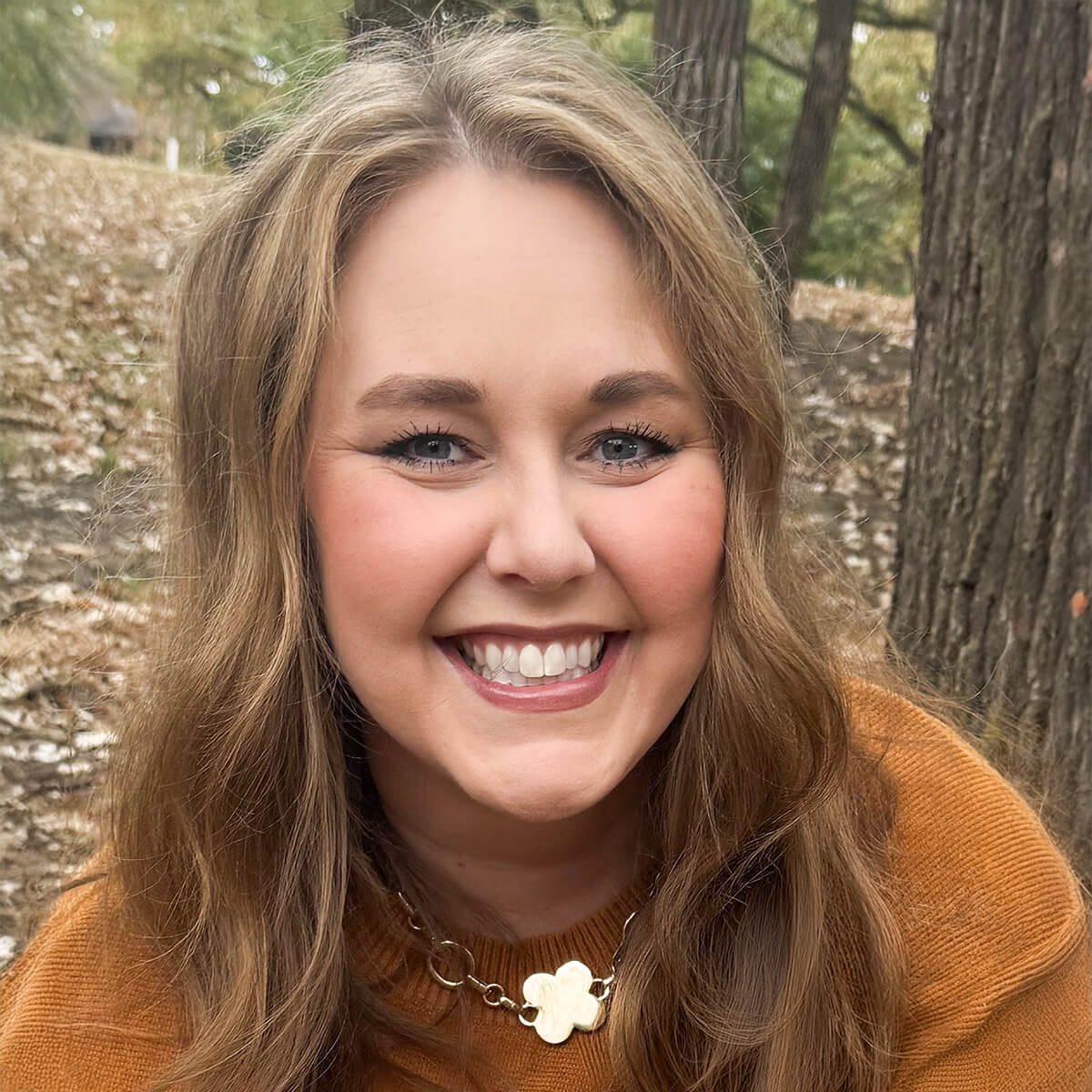
Jessica Gaikowski
Executive Director of Marketing and Sales Operations
Key Takeaways
-
Avel eCare’s Virtual Health System can help reduce physician burnout by giving emergency and critical care providers real-time access to experienced clinical support during high-stakes patient situations.
-
Avel eCare’s Virtual Health System can help rural hospitals address healthcare workforce retention by reducing professional isolation and giving local providers access to additional clinical expertise when they need it most.
-
Avel eCare’s Virtual Health System supports both patients and healthcare providers by extending local care teams, sharing the clinical workload, and helping physicians navigate complex cases without facing them alone.
“Our Everyday Is Somebody’s Worst Day”: The Hidden Cost of Burnout in Emergency Medicine
Ask most people outside healthcare what a typical shift in the ER or ICU looks like, and they’ll probably underestimate it by a wide margin. Ask a physician who’s lived it, and you get a very different picture.
“We see three to four cardiac arrests every day. We do intubations every day. Traumas, of course, acute MI, heart attacks, strokes,” says Dr. Kelly Rhone, an emergency and critical care physician. “The acuity that we see… is not just in our ER but inpatient throughout our ICU program. We see incredibly sick patients, and we see a lot of them.”
It’s a pace most other professions simply don’t have an equivalent for. As Dr. Rhone puts it: “Our everyday is somebody’s worst day.”
Why Burnout Hits Healthcare Workers So Hard
Burnout in medicine isn’t just about long hours — though those play a role. It’s about the compounding weight of high-stakes decisions made repeatedly, often alone, with no built-in mechanism to share the load. In small or rural facilities, that isolation is magnified: a single physician may be the only clinical decision-maker in the building, responsible for everything from a cardiac arrest to a psychiatric crisis, with no colleague down the hall to consult.
Over time, that isolation is one of the biggest drivers pushing experienced clinicians out of medicine entirely — not because they’ve lost skill or commitment, but because the model asks them to carry too much, alone, indefinitely.
Supporting the Provider, Not Just the Patient
One of Dr. Rhone’s most telling reflections came after a chaotic overnight session supporting a traveling physician through five simultaneous burn patients — a scenario stressful enough for a large trauma center, let alone a small-town ER. Staying present with her the entire time, Dr. Rhone told her, “I’m not leaving you.” The physician made it through, and later chose to stay at that hospital permanently.
Looking back, Dr. Rhone described a shift in how she saw her own role: “I wasn’t just caring for the patients — I was caring for the providers as well.”
That distinction matters. Reducing burnout isn’t only about giving physicians fewer patients or shorter shifts — it’s about making sure they’re never facing the hardest moments of their careers completely alone.
A Culture Shift, Not Just a Staffing Fix
Perhaps the simplest lesson from Dr. Rhone’s experience is this: “No one knows everything. We should always be learning.” Normalizing that mindset — that even experienced physicians benefit from a second opinion — is a cultural shift as much as an operational one, and it may be one of the most effective tools available for keeping skilled clinicians from walking away from the field entirely.
Want to see how virtual backup support helps reduce burnout and retain clinical staff? Learn more about Avel eCare and how its Virtual Healthcare System supports both patients and the providers caring for them.