
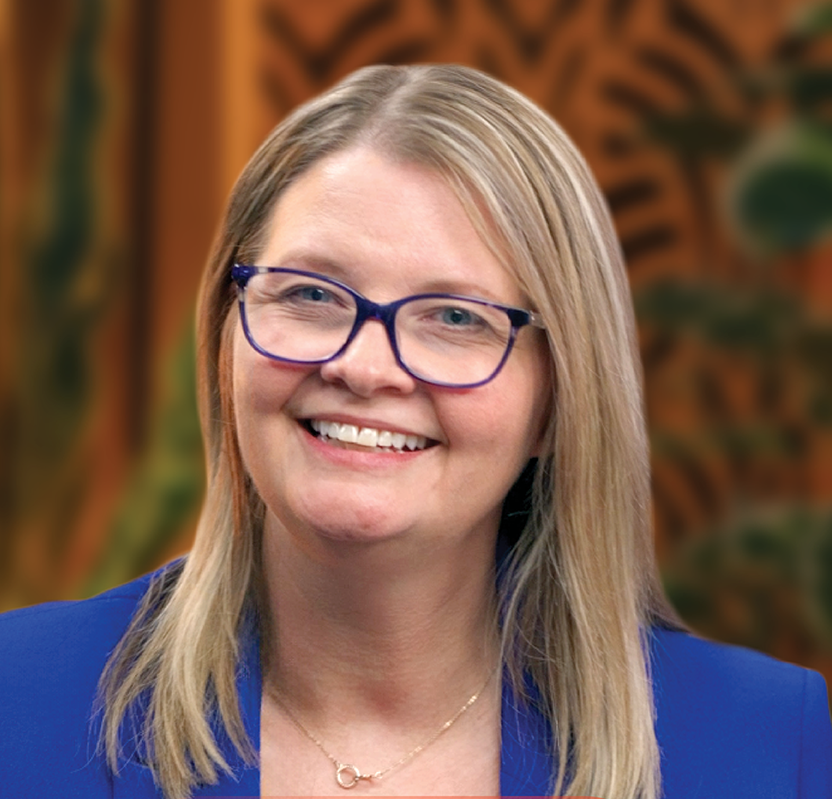
Dr. Kelly Rhone
Chief Medical Officer
Jessica Gaikowski
Executive Director of Marketing and Sales Operations
Key Takeaways
- Telemedicine helps address rural healthcare staffing solutions by giving rural physicians immediate access to board-certified specialists, reducing professional isolation, and helping hospitals maintain high quality care without replacing local providers.
- Virtual collaboration is one of the most effective physician staffing shortage solutions because it reduces burnout, supports clinical decision making during emergencies, and helps rural physicians continue practicing in the communities that need them most.
- When comparing telemedicine vs on-site physician models, the goal isn’t replacement but partnership. Telemedicine extends local clinical teams with real-time specialist support, improving patient outcomes while helping rural hospitals build a more sustainable healthcare workforce.
How Telemedicine Helps Rural Physicians Stay in Their Communities
When a massive explosion happened in a small rural town, the local hospital suddenly faced a situation that would challenge even a large trauma center.
Five burn patients were on the way.
For the physician working that shift, the moment was especially overwhelming. She was a traveling physician—not a full-time emergency medicine specialist—and she was covering in her hometown community.
Dr. Kelly Rhone, Chief Medical Officer at Avel eCare, remembers the moment clearly.
“We knew immediately those patients would likely need transfer to a burn unit,” Dr. Rhone said. “We also knew they probably had trauma injuries underneath those burns.”
As the situation unfolded, Avel coordinated multiple aircraft transfers while supporting the bedside team virtually in real time.
But what the physician needed most in that moment was reassurance.
“So I just said to her over the camera, ‘I’m not leaving you. I’m going to stay right here.’”
What followed became what Dr. Rhone described as a marathon session of caring for critically ill patients together.
Years later, the story still stands out—not only because of the clinical outcome, but because of what happened afterward.
That physician chose to stay.
“She signed on at that facility and has now practiced there for over a decade,” Dr. Rhone said.
The Hidden Challenge Facing Rural Healthcare
Rural physician shortages are often discussed in terms of numbers:
- too few physicians,
- too many patients,
- not enough specialists.
But behind those statistics is another challenge that receives far less attention: isolation.
Many rural providers carry enormous responsibility every day with limited support.
In some communities:
- one physician may cover the entire emergency department,
- primary care providers manage highly complex patients,
- and clinicians may go days or weeks without another physician nearby to consult with.
“No one knows everything,” Dr. Rhone said. “We should always be learning.”
For many providers, telemedicine creates something that has been missing for years: a trusted clinical partner.
“This Could Change My Life”
During a meeting at another rural hospital, Dr. Rhone heard a conversation that perfectly captured the pressure many physicians feel.
A local paramedic proudly told the room:
“Our physician is great. He always knows what to do. We don’t need extra help.”
Then the physician stood up and responded.
“He said, ‘I’m glad you think I always know what to do. I want you to think that. But sometimes I don’t.’”
The physician explained how difficult it was to carry the responsibility of being constantly available.
“I can’t go on vacation. I can’t go to my kids’ ball games. This could change my life.”
Immediately, the room shifted.
People began to understand that telemedicine was not about replacing expertise—it was about supporting the people already serving rural communities.
Caring for Providers, Not Just Patients
Dr. Rhone says one of the biggest realizations in her career was understanding that telemedicine impacts clinicians just as much as patients.
“It gave me a new perspective,” she said. “We weren’t just caring for patients. We were caring for providers too.”
That support can take many forms:
- helping clinicians manage high-acuity emergencies,
- walking teams through rare procedures,
- assisting with transfer coordination,
- offering second opinions,
- and providing emotional reassurance after difficult cases.
Hospital workers have experienced extraordinary levels of stress in recent years, especially following COVID-19.
“We see the worst of the worst,” Dr. Rhone said. “And it weighs on people.”
Avel also provides stress debriefings after traumatic events to help clinicians process difficult outcomes and reduce burnout.
“Being able to hear from another person that you did everything possible really helps relieve some of that pressure,” she explained.
Rural Healthcare Needs Sustainable Support
Telemedicine is often discussed as a technology solution.
But in rural communities, it is increasingly becoming a workforce sustainability solution.
Avel eCare was built around one core belief:
every person and every community deserves access to high-quality care.
For more than 30 years, Avel has partnered with rural hospitals and healthcare organizations to provide collaborative virtual support across emergency medicine, ICU care, behavioral health, pharmacy, EMS, and more.
The goal is not to replace local care teams.
The goal is to help them continue serving their communities confidently and sustainably.
“Rural healthcare has needed support for a really long time,” Dr. Rhone said. “Now we can use innovation and these tools to make healthcare sustainable for the future.”
“Thank You for Being the Calm Voice”
One phrase has stayed with Dr. Rhone throughout her work in telemedicine.
“Thank you for being the calm voice in scary situations.”
In rural healthcare, that calm voice can make all the difference.
Not just for patients.
But for the physicians and nurses who have dedicated their lives to caring for their communities.
About Dr. Kelly Rhone
Dr. Kelly Rhone is the Chief Medical Officer at Avel eCare and a board-certified emergency physician. She has worked extensively in Level I and Level II trauma centers while also supporting rural clinicians through telemedicine partnerships designed to improve provider confidence, patient outcomes, and long-term workforce sustainability.
Continue the Conversation with Dr. Kelly Rhone
This topic is explored further in an episode of Avel eCare’s Virtual Health Connections podcast featuring Kelly Rhone, MD, Chief Medical Officer at Avel eCare. Drawing on her background in emergency medicine and more than a decade in virtual care, Dr. Rhone discusses what it takes to deliver high-quality care while earning the trust of clinicians, partners, and patients. She shares how Avel eCare’s Virtual Health System works alongside bedside teams to extend clinical expertise across the continuum of care, strengthen local teams, and help patients receive the right care wherever they are. Listen to the full conversation to hear more about clinical leadership, quality, collaboration, and how Avel is helping healthcare organizations navigate workforce challenges and gaps in access to care. View Podcast Episode.