
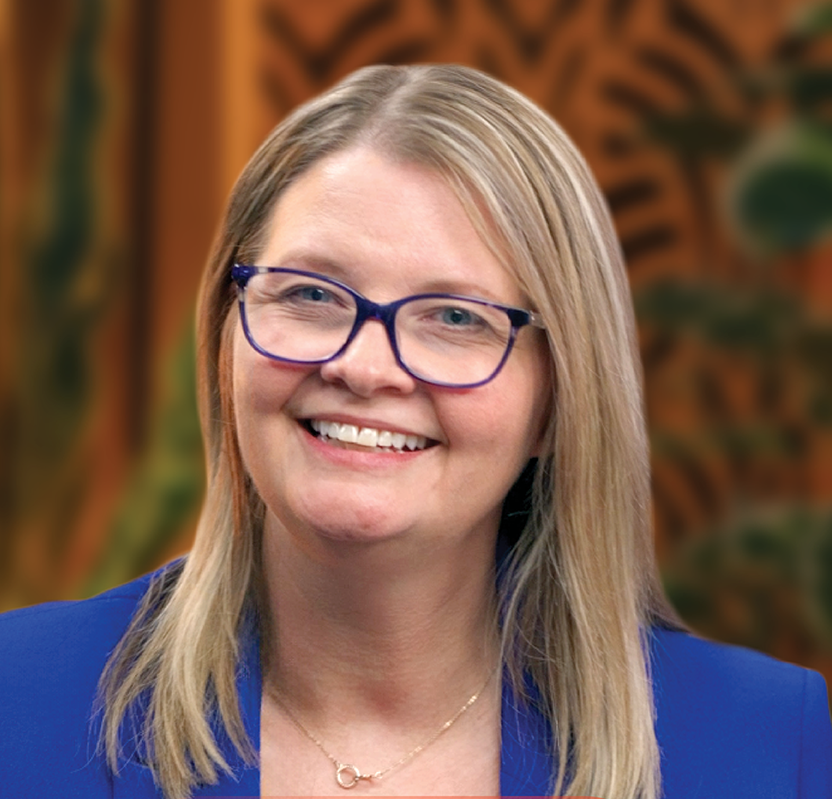
Dr.Kelly Rhone
Chief Medical Officer
15+ Years of Experience
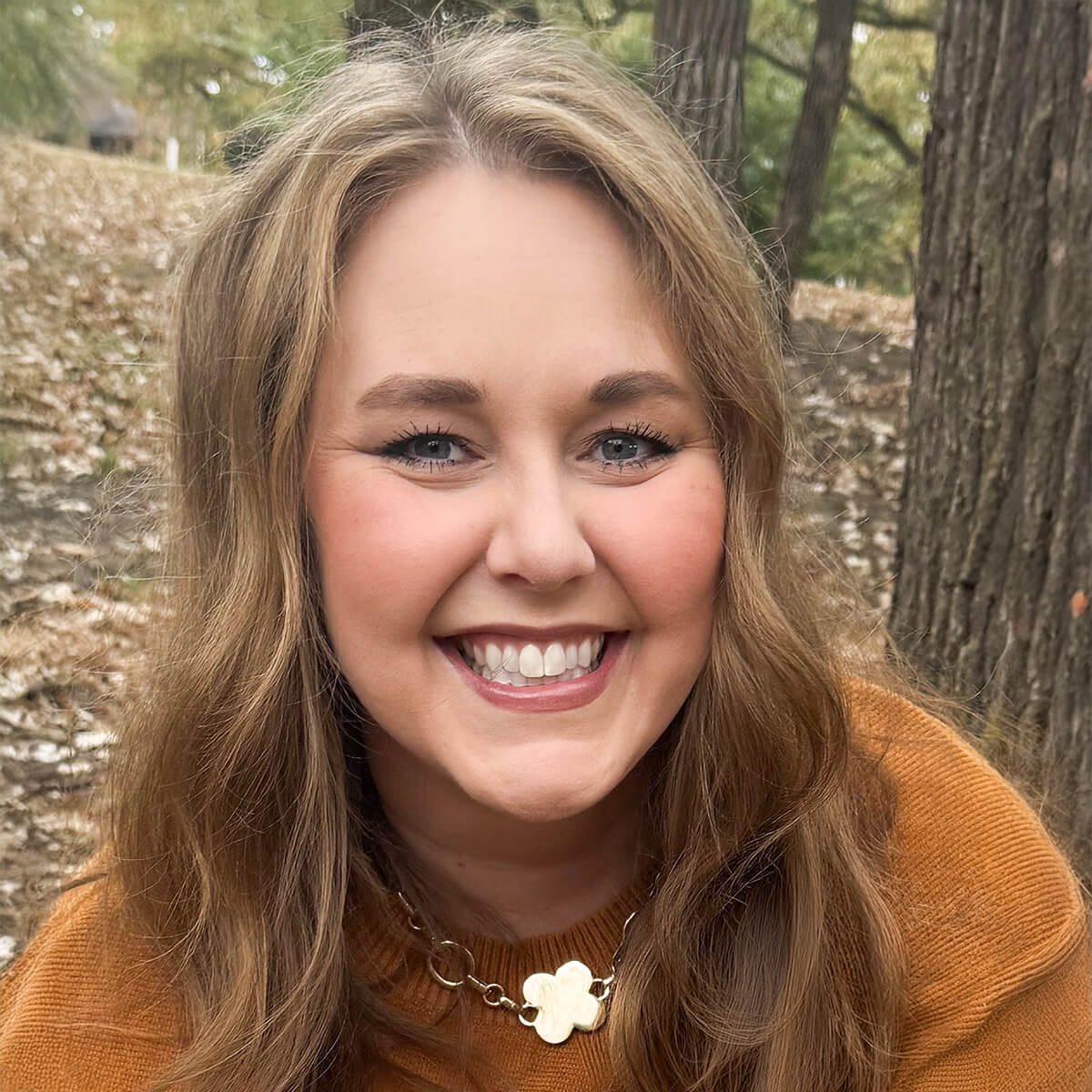
Jessica Gaikowski
Executive Director of Marketing and Sales Operations
Key Takeaways
- Virtual Health Systems have become essential for rural hospitals, providing clinical support across emergency care, ICU services, behavioral health, hospitalist coverage, and specialty consultations.
- The right Virtual Health System partner does more than provide technology—they integrate into clinical workflows, support bedside teams, uphold quality standards, and help hospitals keep appropriate patients close to home.
- Virtual Health Systems strengthen rural healthcare workforce retention by reducing physician isolation, providing real-time clinical collaboration, and helping rural providers continue serving their communities with confidence.
Rural hospitals are facing a level of pressure few healthcare organizations have experienced before.
Patients are becoming more complex. Workforce shortages continue to grow. Tertiary care centers are overwhelmed. And critical access hospitals are increasingly being asked to care for sicker patients with fewer resources.
According to Dr. Kelly Rhone, Chief Medical Officer and Board-Certified Emergency Physician at Avel eCare, rural healthcare providers are carrying more responsibility than ever before.
“Twenty percent of our population lives in a rural community, but only ten percent of physicians practice in a rural community,” said Dr. Rhone. “Primary care providers in these communities do an incredible job, but they can’t be experts in everything. That’s where we come alongside them.”
As rural healthcare organizations look for sustainable solutions, the Virtual Health System model has become far more than a convenience tool. Today, the right Virtual Health System partner can help hospitals stabilize staffing, reduce unnecessary transfers, improve patient outcomes, and support clinician retention.
But not all Virtual Health System solutions are built the same.
Rural Hospitals Need More Than Basic Telemedicine
One of the biggest misconceptions about telemedicine is that it only refers to virtual urgent care visits.
“Telehealth today isn’t what it was five or ten years ago,” said Dr. Rhone. “There’s still this idea that telemedicine is just urgent care or one-off visits, but it’s so much more than that. At Avel eCare, we describe this evolved model as a Virtual Health System—a fully integrated network of clinical services delivered virtually to communities that need them most.”
Modern rural Virtual Health System programs support:
-
- Emergency departments
- Intensive care units
- Behavioral health services
- Hospitalist coverage
- EMS teams
- Senior care facilities
- School health programs
- Pharmacy services
- Specialty consults
For critical access hospitals, the Virtual Health System has evolved into a clinical infrastructure solution—not simply a technology platform.
At Avel eCare, that infrastructure has been developed over more than 30 years of serving rural communities nationwide. What began with three employees, one service line, and limited grant funding has grown into a Virtual Health System serving more than 800 sites across the United States.
What to Look for in a Rural Hospital Virtual Health System Partner
Choosing the right Virtual Health System solution requires more than evaluating software features.
Hospital leaders should look for a partner capable of integrating into clinical workflows, supporting bedside teams, and adapting to the realities of rural medicine.
Clinical Leadership Matters
One of the most important differentiators in telemedicine is whether programs are clinician-led.
“Avel’s programs are clinician and physician led,” Dr. Rhone explained. “We are collaborative. We are about good clinicians helping good clinicians.”
That distinction matters because rural healthcare environments are highly dynamic. Bedside teams need support from clinicians who understand emergency medicine, ICU workflows, transfer coordination, and high-acuity decision making in real time.
Accreditation and Quality Standards
Healthcare organizations should also evaluate operational rigor and quality oversight.
Avel eCare is Joint Commission accredited, meaning its systems are evaluated similarly to hospitals and health systems themselves.
“Quality matters to us,” said Dr. Rhone. “We bring a quality product to our partners.”
This includes:
-
- Physician credentialing
- Background checks
- Quality improvement initiatives
- Operational safeguards
- Clinical consistency standards
For hospital executives and medical directors, these systems are critical when evaluating long-term telemedicine partners.
Workflow Integration
Telemedicine solutions should fit into existing hospital operations—not force providers to adapt to unfamiliar systems.
Every rural facility operates differently:
-
- Different staffing models
- Different electronic medical records
- Different medication availability
- Different imaging capabilities
- Different transfer relationships
“Every hospital is unique in their resources,” Dr. Rhone said. “Even understanding something as simple as whether ultrasound is available today or not until Thursday makes a huge difference in patient planning.”
Avel’s platform was specifically designed to manage multiple hospitals, workflows, and service lines simultaneously while adapting to the realities of each individual site.
Keeping the Right Patients Close to Home
One of the biggest advantages of rural hospital Virtual Health Systems is reducing unnecessary patient transfers.
Not every critically ill patient requires transfer to a tertiary center. In many cases, rural hospitals can safely manage patients locally with additional specialty support.
“There are a lot of patients that don’t need procedures that we can help smaller facilities walk through,” said Dr. Rhone. “Blood pressure support, antibiotic selection, ventilator management—we can bring our intensivist team in to help support those patients.”
This creates major benefits for both patients and hospitals.
Patients stay closer to:
-
- family,
- support systems,
- and their communities.
Hospitals benefit from:
-
- improved admissions retention,
- increased revenue capture,
- and reduced transfer costs.
At the same time, telemedicine also helps identify patients who truly need advanced specialty care.
“We are trying to keep the right patients,” Dr. Rhone explained. “If someone needs surgery and there’s no surgeon there, we want them transferred quickly to get the care they need.”
In these moments, telemedicine teams can reduce burden on bedside clinicians by coordinating transfers, locating beds, and expediting specialty placement.
“When you have one physician and two nurses taking care of a critically ill patient, we can take all those phone calls off their plate,” she said.
Supporting Rural Physician Recruitment and Retention
For many rural providers, one of the greatest challenges is professional isolation.
A physician may be the only doctor covering an entire community. Taking a vacation, attending family events, or simply asking for a second opinion can feel difficult.
Dr. Rhone recalled a conversation during a meeting at a small rural hospital.
A paramedic proudly told the staff that their physician always knew what to do and didn’t need additional help.
Then the physician stood up.
“He said, ‘I’m glad you think I always know what to do, and I want you to think that. But sometimes I don’t. Sometimes I need a second opinion.’”
The physician went on to explain:
“I can’t go on vacation. I can’t go to my kids’ ball games. This could change my life.”
“That completely shifted the room,” Dr. Rhone said.
Telemedicine is not about replacing local physicians.
It is about helping them stay.
Avel’s collaborative care model helps reduce burnout, increase confidence, and provide emotional support during difficult cases.
“Physicians in smaller communities can feel isolated,” said Dr. Rhone. “Avel is a way to say, ‘You have a whole team right here to help you.’”
That team is the Virtual Health System—always on, always staffed, built specifically for
the realities of rural care.
The Virtual Health System as a Long-Term Rural Health Strategy
Rural healthcare transformation requires more than temporary staffing fixes or disconnected technology tools.
Healthcare leaders increasingly need scalable systems that:
-
- stabilize workforce shortages,
- improve patient access,
- reduce operational burden,
- and create measurable outcomes.
Avel eCare was built specifically for this purpose.
Today, the organization supports hospitals, EMS agencies, schools, senior care facilities, and behavioral health organizations through a fully integrated Virtual Health System designed for long-term sustainability.
“We are creating a future of healthcare without boundaries,” Dr. Rhone said.
For critical access hospitals navigating growing complexity, the right Virtual Health System partner is no longer optional. It is becoming essential.
About Dr. Kelly Rhone
Dr. Kelly Rhone is the Chief Medical Officer at Avel eCare and a board-certified emergency physician with extensive experience practicing in both large trauma centers and rural healthcare environments. Her work focuses on supporting rural clinicians through collaborative telemedicine programs that improve patient outcomes, provider confidence, and access to care across underserved communities.